
Entities and sources
Buyers, suppliers, facilities, landholders, forest managers, source areas, species, products, and routes.
SangkanLogix connects timber sources, products, batches, purchase orders, shipments, supporting evidence, and indicative geolocation screening in one reviewable information flow. It helps exporters respond to information requests within an EU operator's due diligence process.
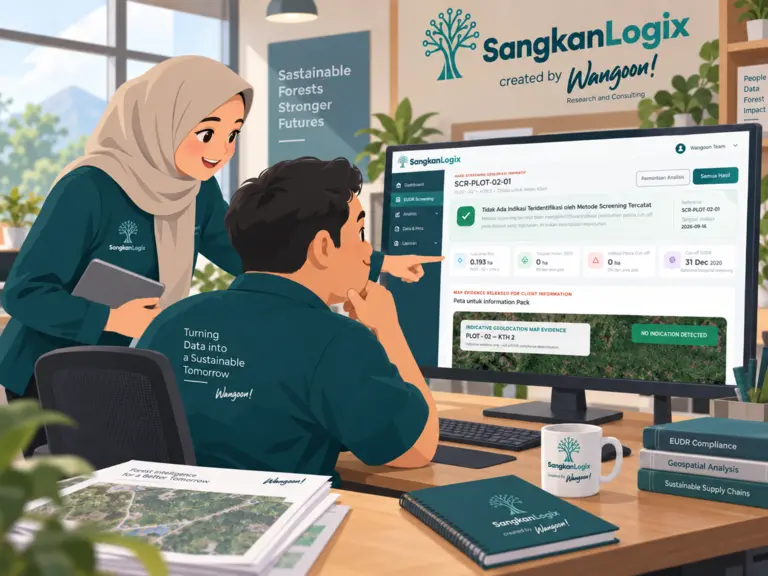
SangkanLogix is not a generic compliance checklist. It models the operational relationships needed to explain how timber in a shipment relates back to its declared sources.
Buyers, suppliers, facilities, landholders, forest managers, source areas, species, products, and routes.
One PO may include several shipments while invoices, packing lists, transport records, and evidence remain shipment-specific.
Source quantities can be allocated to shipments to support supply logic and reduce unexplained or duplicate allocation.
Legality, source, transport, commercial, and production records are indexed in context rather than stored as disconnected files.
Requests, declared areas, analysis dates, visual context, review notes, result status, and limitations remain auditable.
Client-branded English output with source information, evidence index, role statements, and explicit limitations.
Public methodology explains governance, quality controls, review stages, and the correct interpretation of results. Processing infrastructure, detailed parameters, thresholds, and internal logic are proprietary.
Geometry is reviewed according to its declared scope, level of detail, and provenance.
Relevant references support indicative interpretation of the surrounding landscape.
Time-series information helps position identified changes within a chronology.
Visual review is used with due regard to image quality and interpretation limits.
Where a buyer or operator already uses another platform, SangkanLogix can support API-based data exchange subject to agreed data requirements, endpoints, authorisation, field mapping, security controls, and implementation testing.
Integration boundary: SangkanLogix does not currently connect directly to the EU EUDR Information System, use an operator's credentials, or submit a Due Diligence Statement. Submission remains with a party holding the appropriate role and authorised access.
These are operational categories within the platform. Each record must still reflect the applicable legal status, source documentation, and current Indonesian forestry requirements.
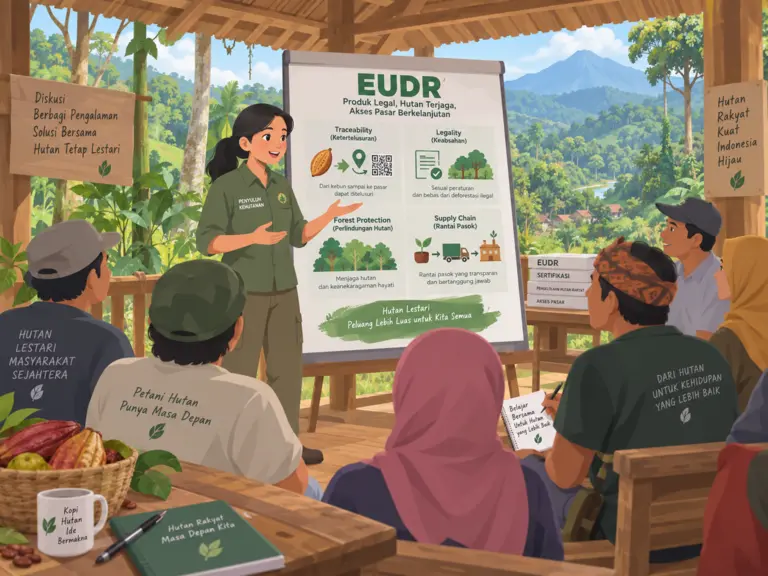
Records may include landholder identity, evidence relating to the land, a declared production area, cultivated species, production records, source transactions, and transport documentation applicable to the specific case.

Records may include the forest manager's legal basis, the spatial unit lawfully made available, applicable administration and transport records, and relevant legality or management-performance evidence. Any limitation in harvest-area detail is recorded.
A map value is one risk input. It does not replace source, legality, traceability, timing, and evidence checks.
Third-party schemes may provide supporting information, but the party subject to due diligence remains responsible for its obligations.
The information flow should explain how each shipment and material quantity relates to the declared source or sources.
It describes only what the recorded procedure identified in the information used. It is not a legal opinion or compliance decision.
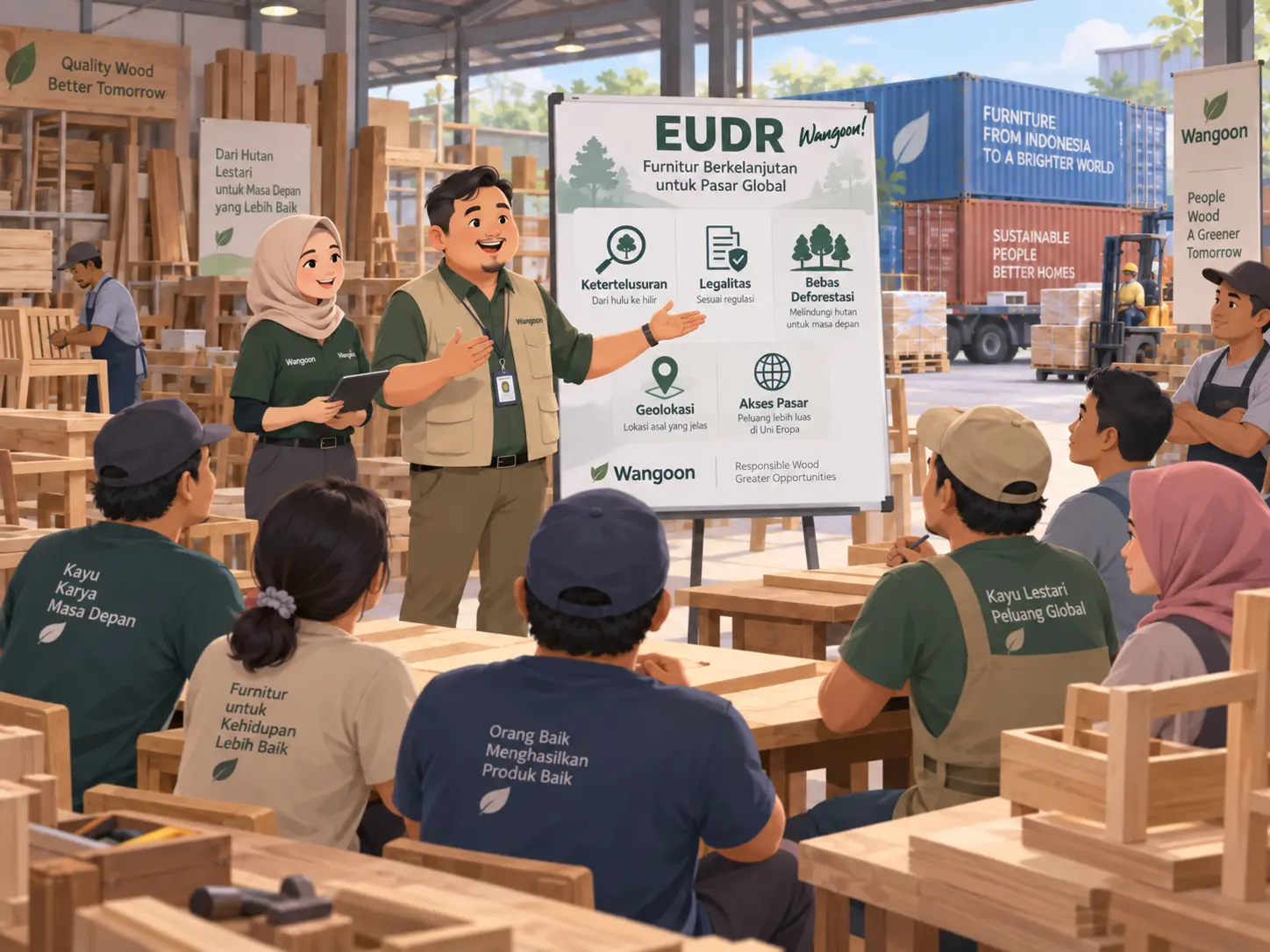
SangkanLogix is developed by Wangoon Research and Consulting with practitioners, academics, and specialists in timber supply chains, traceability, GIS analysis, forestry policy, and evidence communication.
Create a reviewable path from shipment back to source, with transparent evidence, roles, and limitations.